“I ask you, you ask me; I teach you, you teach me. If the interaction becomes purely one-directional, that’s when we have a public health and education problem.”
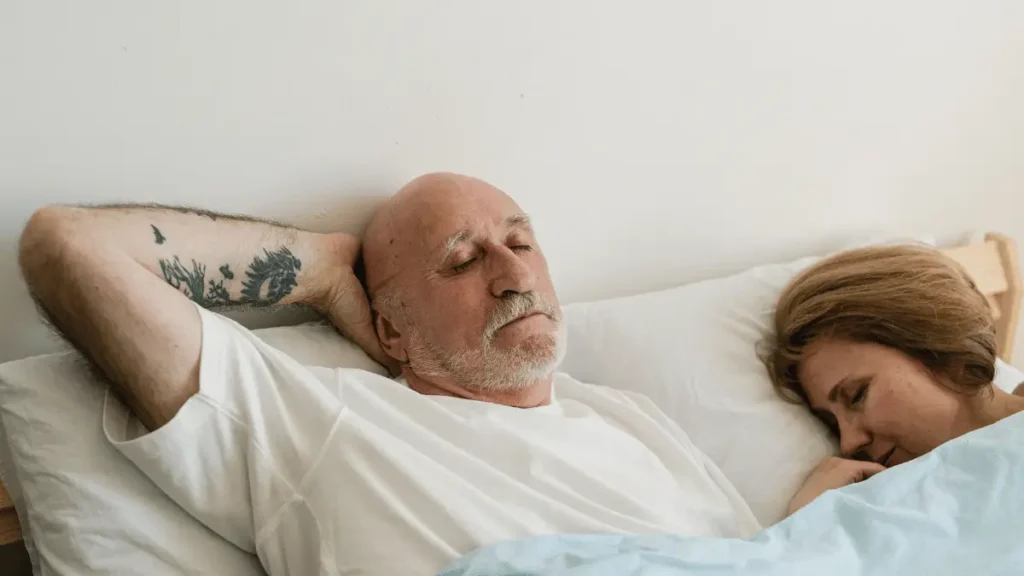
“The problem isn’t sleeping together or apart. The problem would be if the separation became a way to avoid the other person, avoid talking about a conflict, or escape intimacy.”
“Before getting up to go back for more, we can ask ourselves whether we’re still hungry or simply still have food in front of us.” — Miguel Ducrós, Monarka Clinic
“What is not expressed does not disappear — it usually turns into anxiety, exhaustion, resentment or a feeling of emptiness.” — Montse Escobar, psychologist, Monarka Clinic
“The only decision left to us is whether we want to be shareholders of our own old age, or creditors of it.” — Daniel Muigg, CFO and Co-founder, Monarka Clinic
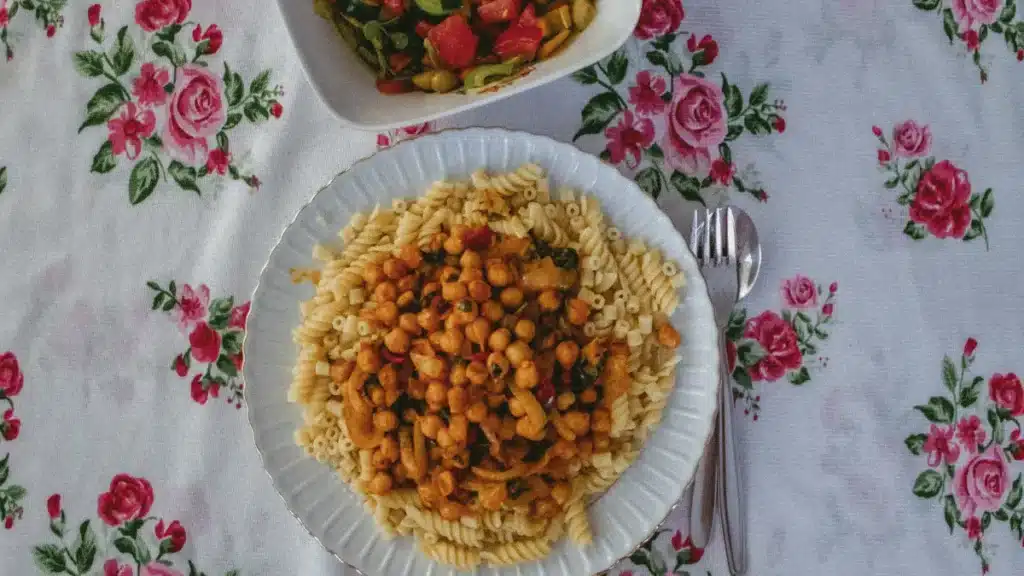
“With the right ingredients, a simple jar of cooked chickpeas can turn into a delicious, quick meal.” — paraphrased description, Miguel Ducrós, Monarka Clinic
“You don’t need to wait for discomfort to start moving your legs. Standing up, walking for a few minutes and doing simple ankle exercises while seated are easy habits we should build into our routine.” — Dr. Lorenzo Álvarez, Monarka Clinic
“Sleeping poorly, breathing through the mouth or snoring habitually should not be seen as normal, but as signs that deserve evaluation.” — Manuel Páez Romero, ENT specialist, Monarka Clinic
“Supplementation should always respond to a specific need and, whenever possible, be guided by a healthcare professional.” — Miguel Ducrós, nutritionist, Monarka Clinic
“Think of your genes as a Netflix series and epigenetics as your remote control. The series is already recorded and you can’t change it, but you decide which episodes you play.” — Dr. Estela Lladó-Carbó, Monarka Clinic
“It tends to surprise people a lot because it genuinely tastes good and is a very healthy alternative to traditional ice cream.” — Miguel Ducrós, nutritionist, Monarka Clinic
“Caring for the brain requires strategies that are sustained over time and adapted to each person, without promising specific, quick results.” — Dr. Estela Lladó-Carbó, Monarka Clinic
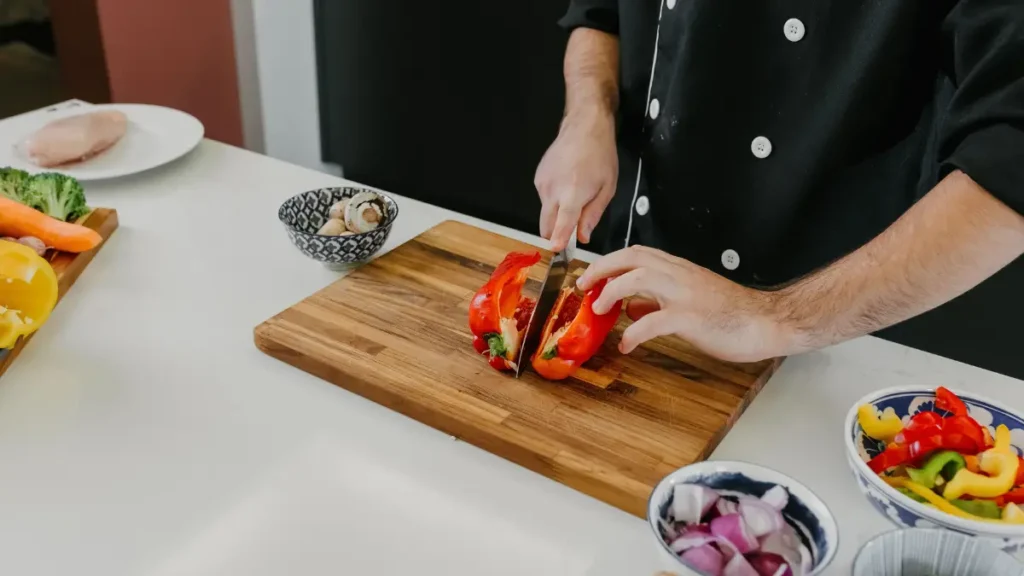
“These recipes are part of the guidelines I use in consultation because they are fresh, easy to prepare and help maintain healthy eating during summer.” — Miguel Ducrós, nutritionist, Monarka Clinic
“Getting rid of a hangover is like silencing a fire alarm and continuing to cook — you’ve switched off the warning, not the fire.” — Dr. Estela Lladó-Carbó, Monarka Clinic
“When applied correctly, intermittent hypoxia acts as a hormetic stimulus — a small dose of controlled stress that forces the body to adapt and improve its efficiency.” — Iván Ibáñez, Monarka Clinic