

A complete guide to autophagy: what it means, the Nobel Prize that put it on the map, how to activate it safely, and its relationship with fasting, ketosis, and longevity.

Autophagy is increasingly being discussed as a key element of longevity medicine. But what exactly does the term mean, and how did it evolve from a laboratory concept to a central topic in conversations about health, fasting, and aging?
As Miguel Ducrós, a nutritionist specializing in metabolism at Monarka Clinic, explains, autophagy is essentially a cellular repair mechanism: “When there is no food intake, the body focuses on repairing itself, recovering damaged proteins, and clearing away biological waste. That is autophagy.” The analogy he uses is clear: “You can’t change the tires on a moving car. You have to stop.”
What is autophagy? Meaning and definition.
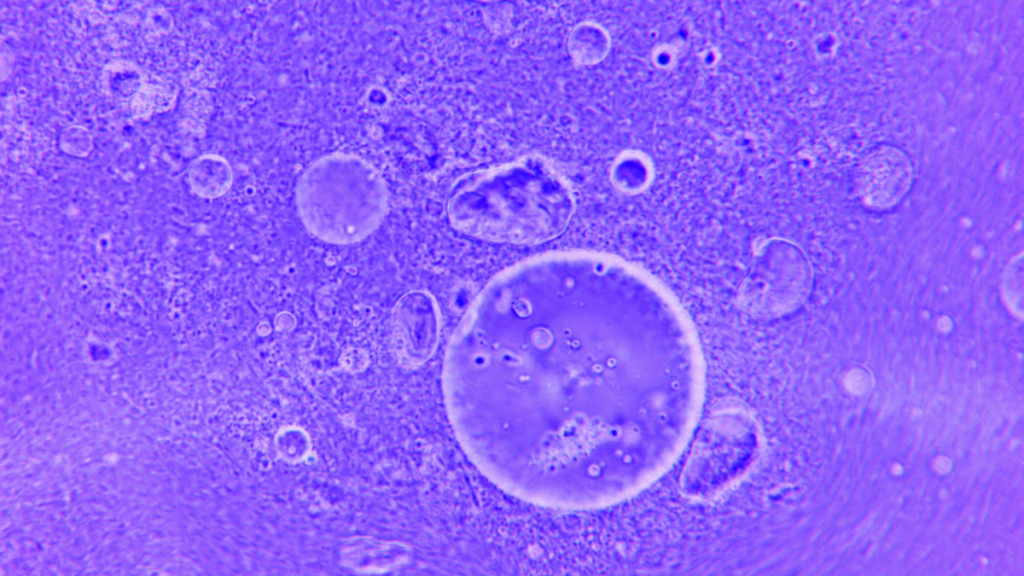
The word “autophagy” comes from Greek and literally means “eating oneself.” Far from sounding alarming, this process is actually one of the body’s most sophisticated cleanup and recycling systems: cells identify their own damaged components—such as misfolded proteins or deteriorated organelles—and break them down to either reuse their materials or eliminate them entirely.
In other words, it is the internal maintenance system of each cell. When it functions correctly, it helps keep the organism efficient and clean; when it slows down—something that happens naturally with age—cellular waste accumulates, fostering processes of inflammation and aging.
The Nobel Prize that put autophagy on the map
The popularization of this concept has a very specific turning point. As Ducrós notes, “its popularization has a very specific turning point: the 2016 Nobel Prize in Physiology or Medicine, awarded to the Japanese scientist Yoshinori Ohsumi for his discoveries regarding the mechanisms of autophagy.”
This is not a new practice. Fasting has been present in various cultures for millennia. What is new is the science explaining why it works: biologically, we are designed to alternate between periods of eating and periods of not eating.
— Miguel Ducrós, Monarka Clinic
Ohsumi’s work did not invent autophagy; it identified, at the genetic and molecular levels, how this process—which living organisms have always carried out—is activated and regulated.
How to activate autophagy
The primary trigger for autophagy is the absence of food intake. As Iván Ibáñez, a specialist in metabolism and longevity at Monarka Clinic, explains, during fasting “mechanisms such as autophagy are activated, through which the body eliminates aged or damaged cells and improves mitochondrial function.”
Intermittent fasting is, in fact, the most common way to stimulate this process regularly. If you want to delve into the specific protocols—such as how many hours to fast, how to break the fast correctly, or how to apply it at different stages of life—you can consult our complete guide to intermittent fasting.

Beyond fasting, other factors contribute to activating and maintaining efficient autophagy: regular physical exercise, adequate rest, and the management of chronic stress. In fact, as Ibáñez explains, there is a related yet distinct process: the accumulation of “senescent cells,” colloquially known as “zombie cells.” These are “aged cells that have lost some of their functionality and, instead of disappearing, remain in the body, releasing inflammatory substances.” Reducing chronic stress, sleeping well, maintaining a balanced diet, and exercising help delay this process, fostering a cellular environment where autophagy can function more effectively.
Autophagy and ketosis: are they related?
It is common to see autophagy mentioned alongside ketosis, another metabolic process triggered by the absence of carbohydrate intake. Although both mechanisms can occur simultaneously—for instance, during prolonged fasting—they are not the same: ketosis is a shift in the body’s metabolic fuel (from glucose to ketones), whereas autophagy is a process of cellular cleanup and repair.
It is common for both processes to reinforce each other during longer periods of fasting, but the presence of ketosis does not automatically imply an optimal state of autophagy, nor vice versa.
Prolonged fasting and autophagy: a matter of medical supervision
48- or 72-hour fasts are frequently discussed as a way to intensify the effects of autophagy. While it is true that the depth of this process tends to increase the longer the fast lasts, such extended protocols are not comparable to the standard 12- to 18-hour intermittent fast.
Important: As Ducrós emphasizes regarding any fasting strategy, “the criterion for suitability is clear: the tool must make the patient’s life easier, not complicate it.” Prolonged fasting entails a higher risk of electrolyte imbalances, loss of muscle mass, and other effects that should only be considered under medical supervision and never attempted on one’s own.
Frequently Asked Questions About Autophagy
What does the word "autophagy" mean?
It comes from Greek and means "eating oneself," referring to the process by which cells eliminate and recycle their own damaged components.
How long do you need to fast to activate autophagy?
There is no exact threshold for everyone, but 14- to 18-hour intermittent fasting protocols already stimulate this process on a regular basis.
Does autophagy cause weight loss?
That is not its primary function. Autophagy is a process of cellular repair; weight loss during fasting is primarily due to a caloric deficit, a distinct mechanism.
Are autophagy and ketosis the same thing?
No. Ketosis is a shift in the body's metabolic fuel, whereas autophagy is a process of cellular cleanup. They can occur simultaneously, but they are not the same mechanism.
Do you want to know how to activate autophagy safely and in a personalized way? At Monarka Clinic, we have a team specializing in longevity medicine that can design the right protocol for you.