

A comprehensive guide to intermittent fasting: what autophagy is, the most common protocols, its real benefits, and how to practice it safely—including during menopause.

Intermittent fasting has gone from being a virtually unknown practice to becoming one of the most talked-about strategies in the world of nutrition. However, it is not a diet in the traditional sense, but rather an eating pattern that alternates periods of eating with periods of fasting. It is not so much about what we eat, but rather when we eat.
Its popularity is not merely a passing fad. As Miguel Ducrós—a nutritionist specializing in metabolism, clinical nutrition, and sports nutrition at Monarka Clinic—explains, “Throughout the 200,000-year history of *Homo sapiens*, we have alternated between periods of food abundance and scarcity. Intermittent fasting is the scientific formalization of something we are already designed for.”
What are intermittent fasting and autophagy?
Intermittent fasting is essentially a tool that stimulates autophagy processes at the cellular level. Its popularization has a very specific turning point: the 2016 Nobel Prize in Physiology or Medicine, awarded to the Japanese scientist Yoshinori Ohsumi for his discoveries concerning the mechanisms of autophagy.
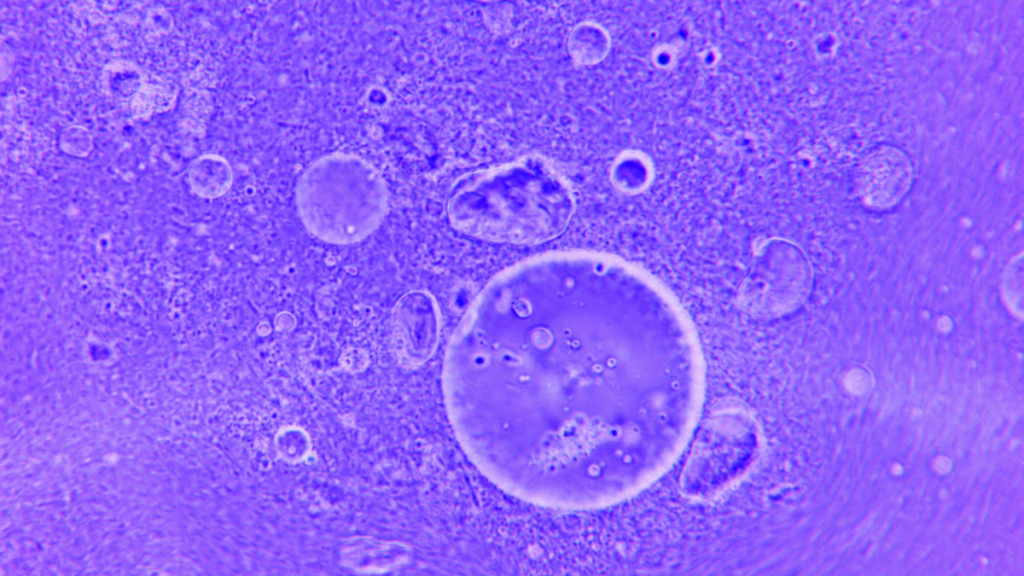
Autophagy is the process by which aged or damaged cells are eliminated and renewed, also improving the function of mitochondria, which are responsible for producing energy. As Iván Ibáñez, a physician specializing in metabolism and longevity at Monarka Clinic, explains, during fasting “the body dedicates less energy to digestion and more to cellular repair processes.”
"You can't change the tires on a moving car. You have to stop. Cells work the same way: when there is no food intake, the body dedicates itself to repairing, recovering damaged proteins and eliminating biological waste. That is autophagy."
— Miguel Ducrós, Monarka Clinic
How to do intermittent fasting? Protocols and times
There is no single protocol that works for everyone, but the most common ones are based on fasting windows of between 12 and 18 hours. As Dr. Ibáñez explains, “it consists of going between 14 and 18 hours without eating so that the body dedicates less energy to digestion and more to cellular repair processes.”
Among the most common formats are:
- 12-hour fast — a gentle entry point, suitable for beginners
- 14-hour fast — the window that Ibáñez recommends as a regular starting point
- 16/8 Fasting — 16 hours of fasting and an 8-hour eating window, the most popular format
- 18-hour fast — for those who already have experience and are looking to delve deeper into the benefits of autophagy
For healthy individuals, Dr. Ibáñez recommends practicing it “two or three days a week, preferably on alternate days and without prolonging it excessively.” A point that both specialists emphasize: the way you break the fast is as important as the fast itself. It’s important to do so “with a balanced meal rich in protein to avoid muscle loss.”
Benefits of intermittent fasting

The benefits manifest themselves on two main levels, as Ducrós explains.
From the age of 50 onwards, intermittent fasting becomes especially relevant. As Ducrós points out, “autophagy tends to decline with age, and stimulating it periodically makes more sense in terms of longevity.” However, he clarifies that it’s not necessary to wait until that age: “alternating phases of eating and not eating makes sense at practically any stage of adult life.”
Intermittent fasting and menopause

The key lies in two important nuances. First, “it’s crucial to avoid compensating for fasting hours with very large meals or meals high in refined carbohydrates.” Second, and especially relevant at this stage, “it’s essential to maintain a good protein intake to protect muscle mass, since the hormonal decline during this period promotes its loss.”
"Fasting should be understood as one more tool within a healthy lifestyle and not as a way to eat less indiscriminately."
— Iván Ibáñez, Monarka Clinic
Most common risks and mistakes
As with any health strategy, the risks lie not so much in the concept as in its implementation. Ducrós identifies three common mistakes:
- Failure to maintain adequate protein and calorie intake. Reducing the eating window without adjusting the quality and quantity of food consumed can lead to an excessive deficiency.
- A diet with little variety during the eating window, which can lead to silent nutritional deficiencies over time.
- Low blood pressure due to insufficient intake of fluids and electrolytes, especially in hot weather or with high physical activity.
There are also situations where fasting can be counterproductive, such as in people with a slowed metabolism or a history of eating disorders. Therefore, both specialists agree that intermittent fasting should be practiced under professional guidance, assessing its suitability for each individual case.
Frequently asked questions about intermittent fasting
Is intermittent fasting the same for everyone?
No. Its suitability depends on the individual context: age, metabolic status, health history, and personal goals.
How many hours do you have to fast?
The most common protocols range between 12 and 18 hours, with 14-16 hours being the most recommended starting point.
Is intermittent fasting possible during menopause?
Yes, provided it is accompanied by an adequate intake of protein and you avoid compensating for fasting with very large meals or meals rich in refined carbohydrates.
What happens if I break my fast incorrectly?
Breaking a fast with very large or low-protein meals can negate some of its benefits and promote muscle loss.
Want to know if intermittent fasting is right for you? At Monarka Clinic, we have a team specializing in longevity medicine who can design a personalized and safe protocol for you.